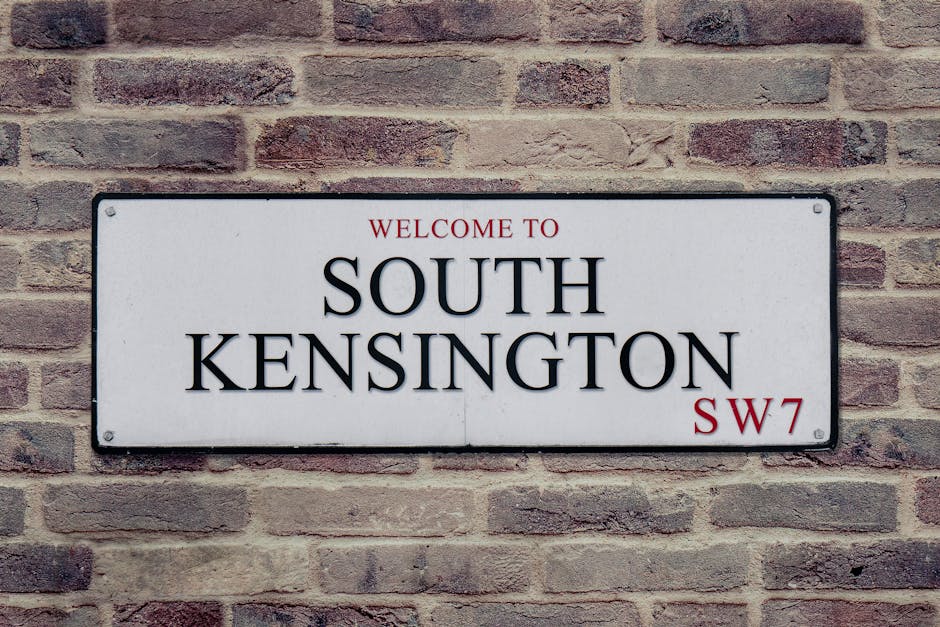
Access restricted properties West Kensington removal solutions
Moving home or business premises is rarely simple, but some moves are trickier than others. If you are dealing with narrow stairwells, no lift, awkward front doors, basement flats, controlled parking, or a building manager who wants everything done by the book, you already know the challenge. Access restricted properties West Kensington removal solutions are designed for exactly that kind of move: careful, organised removals where space, timing, and access all matter just as much as the boxes themselves.
In West Kensington, you see a lot of classic London property layouts. Lovely, yes. Easy to move in and out of? Not always. The good news is that restricted-access moves can be managed smoothly when the right planning is done early. This guide explains what those solutions involve, how they work, what to avoid, and how to choose the most practical approach for your situation. If you want the bigger picture first, the main removal services page is a helpful place to understand the kinds of support available.
Quick takeaway: the best restricted-access move is not the strongest team or the biggest van. It is the best-matched plan. Sometimes that means a smaller vehicle, specialist lifting, split loads, packed timing, or short-term storage. Sometimes it means all of those together. A bit of thinking upfront saves a lot of stress later. Simple as that.
Why Access restricted properties West Kensington removal solutions Matters
Restricted-access properties create a different kind of moving day. The issue is not just distance or volume; it is the route in and out of the building. A sofa might be technically movable, but only if it can turn through a doorway, clear a banister, fit inside a lift, or be carried safely up several flights of stairs. That sounds obvious, but in the middle of a move, obvious things get missed surprisingly often.
West Kensington has plenty of period conversions, mansion flats, basement homes, purpose-built flats, and mixed-use buildings. Those layouts can make standard removal methods awkward. A large lorry parked outside may be useless if the entrance is down a tight mews, or if the loading bay is limited to a short window. Likewise, a team that arrives without checking stair width or lift dimensions can end up doing a lot of standing around. Not ideal. Not cheap either.
These solutions matter because they reduce risk on three fronts:
- Damage risk to belongings, walls, flooring, and doors
- Delay risk from poor parking, lift bottlenecks, or missed access slots
- Safety risk for people lifting heavy or awkward items in confined spaces
And there is another, quieter reason: peace of mind. When you know the access plan has been thought through, everything feels calmer. You can focus on the move itself instead of worrying whether the bed frame will make that turn at the top of the stairs. That matters more than people admit.
If your move also involves a small flat, you may find the advice on flat removals useful, especially where stair access and building rules come into play. For a full-house move with access complications, the house removals and house removalists pages are also relevant.
How Access restricted properties West Kensington removal solutions Works
The process is usually less about brute force and more about planning. A good access-restricted move starts before the van arrives. In most cases, the work falls into a few practical stages.
1. Access assessment
This is where the move is properly sized up. The removal team looks at things like staircases, lift size, doorway widths, parking restrictions, internal corridors, and any building rules. If there is a concierge or managing agent, that is worth factoring in too. Some buildings are straightforward during weekdays but awkward on weekends. Others work the other way around.
2. Load planning
Not every item needs to travel in the same shape or at the same time. Sometimes the best solution is to dismantle large furniture, wrap parts separately, and move items in a sequence that suits the building. In tighter properties, the order of loading can make the whole day feel either smooth or messy. Truth be told, this part often decides how stressful the move feels.
3. Vehicle matching
The right vehicle matters. A massive truck may be unnecessary if parking is tight or the street is narrow. In some cases, a removal van or man with van service is more practical, especially where multiple trips are easier than trying to force one oversized load through a constrained area. For bigger household or business moves, a moving truck may still be the right choice, but only if the site can support it.
4. Protective handling
Because restricted access often means tighter corners and more contact points, protection becomes essential. Corners, banisters, floor coverings, and door frames may need extra attention. Good handling also means clearer communication between the team, because one person carrying the front end while another is backing down a stairwell needs to move as one unit. No drama, just rhythm.
5. Timing and sequencing
Where access is limited, timing can be almost as important as muscle. Moves may need to start earlier to avoid traffic, fit around lift bookings, or complete within a short parking window. In some cases, split loading or a two-part schedule works better than trying to do everything in one go.
For business premises with limited access, the same logic applies. The planning around office removals and broader commercial moves needs to account for business hours, shared entrances, and whether staff can keep working during the move. That sounds basic, but it is often missed until it becomes a headache.
Key Benefits and Practical Advantages
When a restricted-access move is handled properly, the benefits show up immediately. The day runs more predictably, the lifting is safer, and you are less likely to get hit with avoidable delays.
- Less risk of damage: More careful routing and item handling means fewer bumps and scrapes.
- Better use of time: The right vehicle and the right sequence cut down on waiting and rework.
- Lower physical strain: Good planning reduces unnecessary carrying, twisting, and repetition.
- Better building compliance: You are less likely to clash with shared access rules or loading restrictions.
- More flexible scheduling: Split loads, staggered timings, or smaller teams can fit real-life building constraints.
There is also a human benefit that does not always get mentioned: confidence. When the move plan is clear, you and everyone else in the building are less reactive. A neighbour opening the front door, a lift arriving at the wrong moment, or a narrow hallway suddenly feels manageable rather than catastrophic. That is a decent outcome in anyone's book.
For delicate or high-value items, choosing a service with strong handling practices matters even more. If you have specialist furniture or awkward pieces, see also furniture removals and piano removals, since those often require added protection and careful manoeuvring in tight spaces.
Who This Is For and When It Makes Sense
Restricted-access removals are not just for grand old buildings with winding staircases. They are for anyone whose property layout makes a standard move awkward. That includes a lot of people in West Kensington, actually.
- Flat movers dealing with upper floors, basement levels, or no-lift access
- Families moving from period terraces or split-level homes
- Landlords and tenants managing tight move-in or move-out windows
- Businesses shifting stock, desks, or equipment from managed buildings
- Students moving into shared homes with cramped stairwells and awkward parking
- People with bulky items such as wardrobes, pianos, sofas, or exercise machines
Sometimes this kind of solution makes sense even if the property itself is not difficult. For example, if parking is heavily restricted or the only legal loading space is around the corner, your main access issue may be the street rather than the building. That still counts. Moving is moving, and the street can be just as stubborn as a staircase.
If you are planning a smaller, more nimble move, the man and van option can be worth considering. For customers who need help only with a few items, the furniture pick-up service may suit the job better than a full removal package.
Step-by-Step Guidance
Here is a practical way to approach an access-restricted move without overcomplicating it.
- Measure the problem areas. Check stair width, lift size, doorway clearances, hallway bends, and any low ceilings or tight landings.
- Confirm building rules early. Ask about booking lifts, loading bays, time limits, key access, and where the vehicle can stop.
- List the awkward items first. Sofas, wardrobes, appliances, beds, desks, and anything large or fragile should be identified early.
- Decide what can be dismantled. Flat-pack furniture, bed frames, and some wardrobes are much easier when broken down in advance.
- Choose the right moving setup. A van, truck, team size, or split-load approach should match the property rather than the other way around.
- Protect routes and surfaces. Use floor protection, wraps, blankets, and corner guards where needed.
- Plan the loading order. Put the most awkward items on first if the access route is best at the start of the day.
- Leave a buffer. Things take longer when access is tight, so give yourself more time than you would for a simple curbside move.
A tiny but useful detail: keep the kettle, chargers, keys, and any essential paperwork separate. When people are juggling access, they often bury the important bits in a box and then spend 20 minutes hunting for them later. It happens. More often than you would think.
Expert Tips for Better Results
These are the small things that tend to make a big difference on restricted-access jobs.
- Send photos or a walk-through video. A few clear images of stairs, doorways, parking, and the street outside can save a lot of guesswork.
- Be honest about the awkward items. If a wardrobe needs dismantling or a sofa is unusually deep, say so early. Nobody likes surprises on moving day.
- Book the right time of day. In a place like West Kensington, quiet morning windows can be easier than late-afternoon slots when streets are busier.
- Protect the route before you move the first item. Once the team is carrying, you do not want to be hunting for blankets or tape.
- Keep access clear. Shoes, bins, plants, bikes, and random hallway clutter can become trip hazards very quickly.
- Have a plan for items that may not fit. If something genuinely will not clear the route, know whether it will be dismantled, stored, or moved later.
One practical tip from experience: a move that looks "fine" in daylight can feel very different when you are standing at the bottom of a dark stairwell with a mattress in your arms and the landing is just a bit narrower than expected. So yes, measure twice. Maybe three times, if the hallway has that old London twist to it.
Where temporary holding space helps, short-term storage can make the entire process calmer. That is especially useful if completion times are uncertain or if access at one property does not line up neatly with the other.
Common Mistakes to Avoid
Most access problems are not dramatic. They are usually the result of small planning mistakes stacking up. That is actually good news, because small mistakes are fixable.
- Assuming the van size is the only issue. A perfectly sized vehicle cannot solve a blocked entrance or a lift that is too small.
- Ignoring building management rules. Some properties need pre-booked access, padded protection, or proof of insurance. Miss that and the whole day can stall.
- Not checking parking restrictions. In London, a loading space can be the difference between a decent move and an exhausting one.
- Leaving dismantling until the last minute. This creates delays and increases the chance of damage.
- Forgetting about item dimensions. A lot of people measure rooms but forget to measure the staircase turn or the lift door.
- Underestimating the time needed. Restricted-access jobs usually take longer than standard curbside moves. That is just how it is.
Another common one: people focus so much on the biggest item that they overlook the simplest obstacle, like a handrail or a sharp corner. It sounds silly, but a tiny obstruction can cause a surprisingly big delay. Moving day has a funny way of humbling everyone.
Tools, Resources and Recommendations
You do not need a van full of specialist kit for every move, but the right tools make restricted-access removals much easier. Here are the essentials worth thinking about.
| Tool or resource | Why it helps | Best used for |
|---|---|---|
| Furniture blankets and wraps | Protect items and narrow routes from scratches and bumps | Sofas, tables, wardrobes, frames |
| Tape, labels, and bags for fittings | Keeps dismantled parts together | Beds, shelving, modular furniture |
| Floor protection | Helps avoid damage to hallways and communal areas | Flats, shared entrances, stairs |
| Measured photos or video | Gives a realistic picture of access constraints before moving day | Planning quotes and vehicle choice |
| Short-term storage | Creates flexibility when timings or access do not line up neatly | Complex completions, delayed handovers |
For packing support, the packing and boxes page and the packing and unpacking services page are worth a look if you want to reduce the chance of damage and keep fragile items easy to handle.
And if your move is work-related, the wider support around office relocation services can help when desks, chairs, files, and IT equipment need to move through a managed or restricted-access building. A small office move can be just as fiddly as a home move, sometimes more so. Everyone forgets the printer until the end. Every time.
Law, Compliance, Standards, or Best Practice
Restricted-access removals often sit right beside practical compliance questions. You do not need legal jargon everywhere, but you do need a sensible approach.
In the UK, good moving practice usually means paying attention to health and safety, insurance, access arrangements, and building rules. If a property manager has requirements for lift protection, loading times, or communal-area care, those should be followed. Likewise, if items need to be carried by hand through shared areas, the team should use safe manual handling methods and avoid rushing. That sounds obvious, but moving day pressure can make people do silly things.
It is also sensible to choose a company that can explain how they handle risk, what their cover includes, and how they manage damaged access routes or fragile goods. The insurance and safety page is a useful reference for understanding that side of the service, while the health and safety policy page helps set expectations around care, planning, and safe working.
For payment clarity, it helps to review the payment and security and terms and conditions information before you book. No one loves reading the fine print, fair enough, but it avoids confusion later.
And if sustainability matters to you, it should, the recycling and sustainability page is relevant when items need disposal, reuse, or responsible handling rather than being simply dumped and forgotten.
Options, Methods, or Comparison Table
There is rarely just one right way to manage access-restricted removals. The best method depends on the building, the load, and the timing.
| Method | Best for | Pros | Watch out for |
|---|---|---|---|
| Full removal team with truck | Larger household or commercial moves | Efficient for bigger loads, fewer trips | Needs workable parking and vehicle access |
| Man and van style move | Smaller flats, partial moves, flexible loads | More nimble in tight streets | May need multiple trips for larger households |
| Split-load move | Buildings with tight access windows or lift limits | Matches building rules and reduces congestion | Requires careful scheduling and good labelling |
| Move with storage | Uncertain dates or complex handover timing | Flexible, lowers pressure on the day | Extra handling stage to plan properly |
For students or people moving on a tight timetable, the student removals service is often a better fit than trying to force a larger, slower move into a difficult space. Likewise, if the job is urgent, the same-day removals option may be suitable when timing leaves no room to breathe. Not every move needs the same toolkit.
Case Study or Real-World Example
Here is a realistic example, without dressing it up too much.
A couple moving out of a second-floor flat in West Kensington had a tight staircase, no lift, and a parking space that could only be used for a short period in the morning. Their biggest problem was not the number of boxes. It was the sofa, the wardrobe, and a heavy mattress that did not want to turn on the landing.
Instead of trying to do everything at once, the move was broken into stages. Smaller boxes were carried first so the route stayed clear. The wardrobe was dismantled before moving day. The sofa was measured properly and wrapped to protect the corners. A smaller vehicle was used because the street access was better suited to it, and the loading sequence was planned so the biggest items came out when the staircase was clear. It sounds almost too straightforward. But that is the point.
The job still took longer than a simple ground-floor move would have taken, of course it did. Yet it stayed controlled, and there was no frantic re-packing in the hallway at the last minute. The clients were tired by the end, naturally, but not frazzled. That is a win.
In another case, an independent business moving into a managed office building used a staged approach with the support of office removals. Files, small equipment, and chairs were moved first, while larger items were scheduled around access rules. The key was communication with the building team. Without that, even a simple move can turn into a queue of problems.
Practical Checklist
Before moving day, run through this checklist. It is a simple one, but it catches a lot.
- Measure doorways, staircases, landings, and lift dimensions.
- Confirm parking and loading restrictions for both addresses.
- Check whether the building needs lift bookings or access approval.
- Identify furniture that should be dismantled in advance.
- Separate fragile items and label them clearly.
- Protect floors, corners, and railings where needed.
- Decide whether a van, truck, or split-load method fits best.
- Keep essentials, keys, and paperwork in one easy-to-reach bag.
- Tell the removal team about any awkward access details early.
- Allow extra time for carrying, parking, and route clearing.
If you are handling furniture that may need a separate collection or disposal plan, the furniture removals and furniture pick-up options can help keep the move tidy rather than cluttered. And that tidiness matters more than people think.
Get a free quote today and see how much you can save.
Conclusion
Access-restricted removals in West Kensington are rarely about luck. They are about matching the move to the building, planning the route, choosing the right equipment, and keeping everyone informed. When that happens, even a tight staircase or a fiddly loading zone becomes manageable.
The real goal is not just to get items from A to B. It is to do it safely, calmly, and without turning the day into a puzzle nobody wants. If you prepare properly, ask the right questions, and choose a method that fits the property rather than forcing the property to fit the move, you are already halfway there.
And honestly, that first box through the door feels much better when the hard part has already been thought through. One careful step at a time. That is usually how the best moves go.
Frequently Asked Questions
What counts as an access-restricted property move?
It is any move where the normal route in or out is difficult. That might mean stairs, no lift, narrow hallways, tight parking, controlled entry, or a building with strict loading rules. In West Kensington, that is fairly common.
Do I need a special removal service for a flat with no lift?
Often, yes. A standard move may still work, but it usually needs more planning, more time, and sometimes a smaller vehicle or extra handling support. If the staircase is tight or the property is high up, it is worth discussing early.
Is a man and van service enough for a difficult-access move?
Sometimes it is. If the load is small, the van can park nearby, and the items are manageable, a man and van setup can be ideal. If the access is awkward and the load is large, you may need something more structured.
Should I dismantle furniture before moving day?
Yes, where possible. Beds, wardrobes, and shelving are usually easier to move when dismantled. It reduces the risk of damage and makes the carrying route simpler. Just keep all fittings together and labelled.
How do I know whether my sofa will fit through the staircase?
Measure the sofa at its widest points, then measure the narrowest turns, landings, and door frames. If there is any doubt, send photos and dimensions before the move. Guessing is a bad game to play with a sofa.
What if parking outside the property is limited?
That needs to be planned in advance. Sometimes a smaller vehicle, timed arrival, or split load is the best solution. If the property is in a busy street, parking can matter just as much as the building entrance.
Can storage help with restricted-access removals?
Absolutely. Storage gives you flexibility if completion times do not line up, if some items are hard to move immediately, or if you want to separate the move into smaller stages.
Are access-restricted moves more expensive?
They can be, because they often take longer and may require extra labour, planning, or equipment. But not every restricted-access move is expensive by default. The actual cost depends on the route, the volume, and the level of support needed. A proper quote is the best way to know.
What should I tell the removal team before the job?
Tell them about stairs, lifts, parking, loading bays, time limits, heavy items, fragile pieces, and anything that may need dismantling. Photos help a lot. The more accurate the information, the smoother the move usually is.
Do office moves need the same access planning as home moves?
Yes, and sometimes more. Offices often have shared entrances, building managers, booked lift times, and equipment that needs careful handling. For that reason, commercial moves and office work should be planned with the same level of detail as a home move.
What if I need to move quickly because of a deadline?
If time is tight, a same-day or short-notice solution may help, but you still need to be realistic about access. A rushed move through a narrow entrance is where mistakes happen. Slowing the process just enough is usually the smarter call.
How can I make the moving day less stressful?
Keep the route clear, label the essentials, measure the tricky parts in advance, and choose a removal method that fits the building. That sounds simple because it is. The hard part is doing it early, before the boxes start piling up.