Hammersmith and Fulham parking rules for West Kensington removals
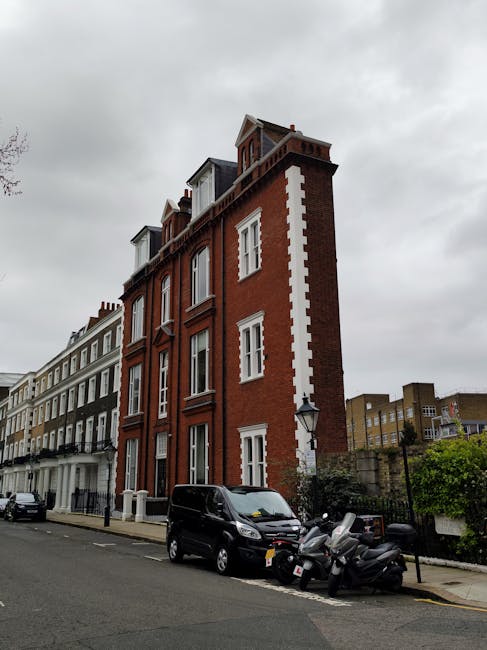
Moving home or office in West Kensington sounds straightforward until the van arrives and there is nowhere sensible to stop. That is where Hammersmith and Fulham parking rules for West Kensington removals start to matter. A short parking issue can quickly turn into missed time, awkward carrying distances, frustrated neighbours, or even a penalty if the vehicle is left in the wrong place.
This guide explains the practical side of parking for removals in West Kensington: what usually goes wrong, why the rules matter, how to plan around them, and how to reduce stress on moving day. If you are arranging a flat move, a family house move, or a small office relocation, a bit of parking planning can save a surprising amount of hassle. Truth be told, it is one of those details people often leave until the last minute.
Along the way, you will also see where related moving services can help, whether that is flat removals, home moves, or a managed man with van service for lighter loads.
- Why the parking rules matter
- How parking for removals works
- Key benefits and practical advantages
- Who this is for and when it makes sense
- Step-by-step guidance
- Expert tips for better results
- Common mistakes to avoid
- Tools, resources and recommendations
- Law, compliance, standards or best practice
- Options, methods, or comparison table
- Case study or real-world example
- Practical checklist
- Conclusion
- Frequently asked questions
Why Hammersmith and Fulham parking rules for West Kensington removals Matters
Parking is not just a side issue on moving day. In a busy part of London like West Kensington, it often decides whether the move feels controlled or chaotic. Streets can be tight, kerb space can be limited, and a removal van may need to work within specific parking restrictions, loading expectations, or access constraints. If you ignore those details, you can end up with unnecessary waiting time and a lot more lifting than planned.
For removals, the parking question usually has three parts: can the vehicle stop close enough to the property, is it allowed to stop there, and how long can it remain? That simple trio affects everything from carrying boxes to protecting furniture. A sofa moved from a van parked twenty metres away is one thing. The same sofa from the far end of the street, in drizzle, near school-run traffic? Quite another.
It also matters because West Kensington moves are often happening in shared buildings, mansion blocks, terraces, or converted flats. Those settings can involve narrow entrances, resident bays, controlled parking zones, suspended bays, or loading restrictions. So the "just park outside" plan is usually a fantasy. Not a bad fantasy, mind you, just not a reliable one.
The practical takeaway is simple: the best move is planned around the parking, not the other way round. If you know in advance whether a vehicle can stop legally and close to the entrance, you can organise labour, timings, and equipment much more sensibly. That is especially useful if you are arranging specialist help such as house removals or a more compact removal van for a smaller job.
Expert summary: In West Kensington, successful removals are usually won or lost on access planning. The earlier you treat parking as part of the moving plan, the fewer surprises you get on the day.
How Hammersmith and Fulham parking rules for West Kensington removals Works
The exact parking conditions depend on the street, the bay markings, the time of day, and the type of vehicle. There is no one-size-fits-all answer, and that is the bit people sometimes hope to hear but never should. A removal van may be able to load in one area and not another, or may need to use a pay-and-display bay, a shared use bay, or a loading space if one is available and appropriate.
For removals, the key is usually loading and unloading access. That means looking at where the vehicle can legally stop for short-term work, how near it can get to the property, and whether any waiting, restrictions, or permit conditions apply. In many London streets, even short stop-and-drop situations can be restricted. So the move needs to be planned with the actual vehicle size in mind, not just the postcode.
You should also think about the time window. Morning traffic, school times, and resident activity can all make access harder. A quiet-looking street at 8:00 a.m. may be busier than expected once refuse collection, deliveries, and commuters all appear. West Kensington can shift from calm to crowded very quickly. One moment you are fine; the next, you are boxed in behind a delivery truck and a waiting taxi.
Where a larger team or vehicle is involved, such as a moving truck or a full-service move, parking becomes even more important. Bigger vehicles need more space, more time to load, and better planning around turning room and kerbside access. If your move is business-related, the same logic applies to office removals and commercial moves too.
What usually affects parking on a removal day
- Controlled parking zones and permit-controlled streets
- Single yellow or double yellow line restrictions
- Loading bay availability and time limits
- Resident bays, business bays, or shared-use bays
- Suspensions, road works, or temporary traffic changes
- Vehicle size and whether the van can physically fit safely
- Neighbours, school traffic, and busy commuter times
If your property is a top-floor flat or a building without easy lift access, the parking plan becomes even more important. In those cases, a service like packing and unpacking services or focused packing and boxes support can help reduce the amount of time the crew spends going back and forth.
Key Benefits and Practical Advantages
Good parking planning does more than avoid trouble. It improves the whole move from start to finish. You will notice the difference in pace, in how calm the team feels, and in how little furniture gets left exposed on the pavement while someone hunts for space.
Here are the main advantages.
- Less carrying distance: Fewer metres between van and front door means less time, less strain, and lower risk of bumps and scuffs.
- Lower chance of delay: A planned loading point reduces the "where can we stop?" scramble that eats time on moving morning.
- Better protection for items: Delicate items spend less time outside, which matters in wet weather or dusty street conditions.
- Smoother coordination: Movers can organise loading order, lift usage, and team roles more efficiently when parking is predictable.
- Fewer disputes: Clear arrangements help avoid awkward conversations with residents, neighbours, or building management.
- Cleaner budget control: Time lost to parking problems can push costs up, particularly on hourly jobs.
There is also a quieter benefit: confidence. Once you know where the vehicle will sit and how the route into the property will work, the rest of the move tends to settle down. People breathe a bit easier. The kettle gets unpacked later, and the day feels less like a fire drill.
Who This Is For and When It Makes Sense
This information is useful for anyone moving in or out of West Kensington, but it is especially important if your property is on a street with limited kerb space or if your move involves a larger vehicle. If you are trying to decide whether to use a smaller van or a full removals vehicle, parking can be the deciding factor.
It makes sense for:
- Households moving from terraced homes or converted flats
- People relocating to or from upper-floor apartments
- Students moving with compact loads and mixed lifting requirements
- Office teams shifting equipment and boxes in a controlled time window
- Anyone booking a same-day move and needing quick access decisions
- Customers using storage during a staggered move
If you are on a tighter timetable, parking planning becomes even more valuable. Same-day moves can work well, but only if the access side is realistic. A service like same-day removals is much easier to manage when the van can stop close to the door and the route in is already clear.
For smaller student lets or lighter household moves, a student removals approach may be enough. But even then, parking can still make or break the day. One badly parked van, one awkward stairwell, and everything slows down. Annoying? Absolutely. Avoidable? Usually, yes.
Step-by-Step Guidance
Below is a practical way to plan your move without getting caught out by parking restrictions. Keep it simple. That tends to work best.
- Check the street layout early. Look at the width of the road, the presence of yellow lines, bay markings, and whether there is actual space for a van to stop safely.
- Match the vehicle to the property. A small van may be easier to place legally than a larger truck. On the other hand, a larger vehicle may reduce the number of trips. Balance matters.
- Think about the building access. Note stairs, lifts, entry codes, intercoms, and whether the front door opens directly onto the pavement or a shared path.
- Ask about any local parking controls. If the street is permit-controlled or has loading restrictions, factor that into your schedule from the outset.
- Choose a sensible moving time. Earlier starts can help in some streets, but not always. The best time is the one that aligns with local access and the building's own rules.
- Prepare for short carries. Even with the best plan, you may still need trolleys, blankets, and a clear route from van to door.
- Keep the final timing flexible. A slight delay is normal in London. The trick is to build in enough slack so it does not become a problem.
If you are moving furniture only, or clearing bulky pieces, it can help to pair the access plan with a targeted service such as furniture removals or furniture pick up. Less clutter, less fuss, fewer last-minute reversals in a narrow street.
A simple planning shortcut
Ask yourself three questions before the van is booked: where can it stop, how far is the carry, and what happens if that space is taken? If you cannot answer those three cleanly, you probably need another layer of planning.
Expert Tips for Better Results
After enough removals, you start to see the same patterns. The tricky moves are rarely ruined by one big problem. They are usually undone by five small ones that stack together. Parking sits right at the centre of that.
- Use the smallest practical vehicle. If the job allows it, a smaller van is often easier to place and easier to unload in tighter streets.
- Split the load if needed. Sometimes two lighter loads are easier than forcing one oversized vehicle into a restricted space.
- Keep a clear route from pavement to room. It sounds obvious, but hallways full of shoes, planters, and loose bags can slow the job more than the street does.
- Protect against weather. West Kensington rain has a way of appearing at exactly the wrong time. Covers, wraps, and quick loading matter more than people think.
- Tell the movers about building access in advance. Entry codes, concierge rules, and lift bookings are not trivia. They shape the whole day.
- Have one person responsible for parking decisions. Too many cooks can mean too many guesses. One clear decision-maker keeps the job moving.
In our experience, the moves that feel easiest are the ones where the customer has already thought through the boring parts. A little dull, yes. Also very effective.
For larger or more complex jobs, it can help to compare service levels, especially if you are weighing a flexible crew against a more structured setup. Looking at removal services alongside removal companies can give you a better feel for how access, labour, and vehicle size fit together.
Common Mistakes to Avoid
Most parking problems are preventable. The frustrating part is that they often seem tiny before moving day and huge once the clock starts ticking.
- Assuming there will be space outside. That is probably the most common mistake. Streets fill up fast.
- Choosing the vehicle before checking the street. A van that is too large for the parking conditions can create a chain reaction of delays.
- Ignoring loading restrictions. A space may look convenient but still be unusable at the exact time you need it.
- Forgetting about neighbours. Blocking a driveway, even briefly, can create unnecessary tension. Best avoided.
- Leaving packing too late. The faster the crew can load, the less likely parking becomes a problem.
- Not checking if the building has its own rules. Some flats and managed blocks have access windows, lift bookings, or quiet-hour expectations.
A small aside here: if you have ever seen a mover carrying a wardrobe while someone else waves vaguely from the pavement saying "it should be fine over there", you already know how these mistakes begin. Funny in hindsight. Not so funny at 9 a.m.
Tools, Resources and Recommendations
You do not need a complicated toolkit, but you do need a few practical things in place. The best resources are the ones that help you avoid guesswork.
| Tool or resource | What it helps with | Why it matters for removals |
|---|---|---|
| Street photos and building notes | Checking parking space, entry points, and obstacles | Helps you judge whether a van can actually stop nearby |
| Floor plan or room list | Understanding the volume and type of items | Useful for choosing between a van, truck, or split load |
| Access codes and booking details | Lifts, gates, concierge, and timed entry | Prevents delays at the exact moment the team arrives |
| Packing materials | Boxing, wrapping, and protecting items | Speeds up loading and reduces the time the van needs to stay parked |
| Short-term storage | Bridge between move-out and move-in dates | Useful when parking, access, or timings do not line up cleanly |
For many West Kensington moves, storage is not a luxury; it is a pressure valve. If the new property is not quite ready, or if parking and access on both ends are awkward, storage can make the rest of the move much calmer. And calmer is good. Very good, actually.
If you are comparing equipment and service levels, you may also find removal truck hire useful as a planning reference, especially for larger properties or business moves where a full-size vehicle is more efficient than repeated van trips.
Law, Compliance, Standards, or Best Practice
When moving in a controlled parking area, the safest approach is to follow the local parking conditions as they apply to the street on the day. The exact rules can vary depending on the location, road layout, time restrictions, and any temporary changes in place. Because of that, it is wise to treat parking as a compliance issue, not just a convenience issue.
From a best-practice point of view, that means:
- checking whether stopping is allowed for loading or unloading
- planning for any permit, bay, or time limitations
- avoiding blocked access, dropped kerbs, and unsafe manoeuvres
- keeping the vehicle positioned so the team can work safely
- respecting neighbours, building management, and other road users
For removal work, safe working practices matter as much as parking legality. A vehicle parked in the wrong place is annoying. A vehicle parked in a way that forces unsafe lifting or awkward carrying is worse. That is where sound judgement comes in. If the route is too tight, it may be better to use a smaller vehicle, adjust the arrival time, or stage the job differently.
Services that take safety seriously should be able to plan around both the property and the street. If you want reassurance on that side of things, the company's health and safety policy and insurance and safety information are sensible places to review. They do not replace local parking rules, of course, but they do show that the move is being handled with care.
For business customers, parking coordination can be especially important during office changes. A reception desk, server cabinet, or archive unit is not something you want left waiting on the kerb because the loading plan was vague.
Options, Methods, or Comparison Table
There are a few common ways to approach removals parking in West Kensington. The right option depends on your vehicle size, the street, and how much you are moving.
| Approach | Best for | Pros | Limitations |
|---|---|---|---|
| Small van with close access | Flat moves, student moves, lighter household loads | Easy to place, shorter carry, often quicker | May require more trips if volume is larger |
| Larger removal vehicle | Full house moves, bulky furniture, office relocations | More efficient loading, fewer trips | Harder to park, more affected by street restrictions |
| Split load or staged move | Tricky access, limited parking, mixed timing | Flexible, can reduce pressure on the street | Takes more planning and coordination |
| Move with storage in between | Gap between move-out and move-in, building access issues | Removes time pressure, easier to manage logistics | Requires an extra step and temporary storage arrangements |
For a small flat, a man and van arrangement can work neatly, especially where the street access is tight and the load is modest. For a bigger family property, a structured house removalists approach may be more efficient because it balances labour and vehicle choice better.
Case Study or Real-World Example
Here is a realistic example, based on the kind of situation that comes up all the time in West Kensington.
A couple moving out of a second-floor flat had a reasonable amount of furniture: bed, wardrobe, sofa, boxes, kitchen bits, the usual life-in-boxes chaos. At first they assumed the van could just stop on the street outside. On inspection, though, the road was busy, parking was controlled, and the nearest available space was not directly outside the building. Not impossible, but not ideal either.
Instead of forcing the issue, the move was planned around a smaller vehicle and an early arrival slot. Packing was completed the day before, bulky items were grouped together, and the team kept the route to the door clear. The result was fairly ordinary in the best way: quick loading, no frantic parking search, and no awkward back-and-forth with other road users. The couple said later that the most helpful part was not the van itself, but the parking plan.
That is usually how it goes. The move does not feel dramatic when the planning is good. It just works. A bit boring, perhaps, but boring is lovely on moving day.
For these kinds of properties, a focused service like flat removals can be a strong fit, especially when access, stairs, and kerbside time all need to be managed carefully.
Practical Checklist
Use this checklist before the moving van arrives. It is simple, but it catches the things people forget when the day gets busy.
- Confirm the moving date and arrival time
- Check whether the street has parking restrictions or loading limits
- Identify the nearest safe stopping point for the vehicle
- Measure any narrow access points or tight corners if needed
- Book lifts, courtyards, or building access slots in advance
- Tell the removals team about stairs, fragile items, and awkward furniture
- Finish boxing and labelling before the van arrives
- Keep hallways, entrances, and paths clear
- Prepare cashless payment details or agreed payment method if required
- Have a backup plan if the planned parking spot is taken
If you are moving work equipment or a small business archive, add one more item: make sure the first and last boxes are easy to identify. That saves time, especially if you are using office relocation services or a broader commercial move setup.
Get a free quote today and see how much you can save.
Conclusion
Parking rules might not be the most glamorous part of a West Kensington move, but they are often the part that protects everything else. When the vehicle can stop legally, close enough, and for long enough to work safely, the whole day becomes easier. The crew stays focused, your belongings are handled with less fuss, and the move feels properly under control.
The smartest approach is to plan the parking before the boxes are stacked at the door. If the job is small, choose a small vehicle. If the street is restricted, allow more time. If the property is awkward, stage the move in a way that reduces pressure. Simple ideas, really. But simple ideas are usually the ones that save the day.
And if you are still working out the best setup, it may help to think beyond the street itself and look at the whole move: packing, access, vehicle size, timing, and whether storage or a different service style would make life easier. That is the kind of planning that turns a stressful day into one that just gets done. Steady, clean, and with a lot less noise.
Frequently Asked Questions
Do I need permission to park a removal van in West Kensington?
It depends on the street, the bay markings, and the time you need. Some areas allow short loading, while others have tighter restrictions. It is best to check the specific location before moving day rather than assuming the van can stop outside.
What happens if the parking space outside my flat is already taken?
That is why a backup plan matters. A nearby legal loading spot, a smaller vehicle, or a slightly different arrival time can often solve the issue. Without a backup, delays are much more likely.
Is a small van better than a larger removal truck in West Kensington?
Not always, but often yes for tighter streets. A smaller van is usually easier to place legally and can reduce carrying distance. A larger truck can still make sense if you have a lot to move and the street can accommodate it.
How far in advance should I plan parking for my removal?
As early as possible. Ideally, parking and access should be part of the booking conversation, not something left until the day before. In a busy area, last-minute planning can be risky.
Can removal teams load from a loading bay?
Sometimes, if the bay is available and the stopping conditions allow it. The key is whether the bay is suitable for the vehicle and the time window you need. Always check the practical details first.
What if my building has lift booking rules?
Then the lift booking should be coordinated with parking and arrival time. If the van is on site but the lift is not available, the move can slow down very quickly. It is a small detail with a big impact.
Are parking problems worse for office removals?
They can be. Office moves often involve time pressure, more items, and sometimes larger vehicles. That means access planning becomes even more important, especially on busy weekday streets.
Should I choose storage if parking is awkward?
Storage can be a smart option if the timing between move-out and move-in is messy, or if access at one end is difficult. It is not always necessary, but it can reduce pressure and make parking and loading much easier to manage.
Do student moves need the same parking planning?
Yes, just on a smaller scale. A student move may involve fewer items, but parking can still cause delays, especially around flats or shared buildings. A compact van and a clear access plan are often enough.
How do I make a moving day easier for the drivers?
Give them accurate access details, keep the route clear, and pack everything in good time. If the parking spot is complicated, explain that early. Drivers can plan around problems much more easily when they know about them in advance.
What is the biggest mistake people make with removals parking?
The biggest mistake is assuming the front of the property will be available and suitable when the vehicle arrives. In West Kensington, that assumption often causes delays. It is a simple error, but a costly one.
Where can I get help with a West Kensington move?
If you want a smoother move with the access side properly thought through, start with a removals service that understands local parking pressure, building access, and vehicle choice. That combination usually makes the difference between a stressful morning and a manageable one.